Mold in Bay Shore homes usually points to a hidden moisture problem. Crews inspect, contain, remove, and help correct the source. Restoration referral service — calls connect you with a licensed, insured, IICRC-certified local crew.
Crews locate the moisture source, contain the area, and remove contamination using safe, EPA-approved treatments. Restoration referral service — calls connect you with a licensed, insured, IICRC-certified local crew.
Bay Shore (11706), along Suffolk's South Shore, borders or sits near Brightwaters, Babylon and West Islip. After the record Great South Bay flooding during Hurricane Sandy in 2012, mold from materials that stayed wet became a lasting problem for bayfront homes.
After the record August 2014 rainfall in Islip, basements that flooded and were not dried completely often developed mold. Humid air off the bays keeps moisture levels high, so mold can settle in fast after any leak or flood. Finding hidden moisture is what keeps mold from returning after removal.
In practice, crews in Bay Shore combine inspection, containment, and removal with drying and moisture control to reduce repeat growth.
Nearby areas served include Brightwaters, Babylon and West Islip. Crews also handle water damage in Bay Shore and fire and smoke damage in Bay Shore.
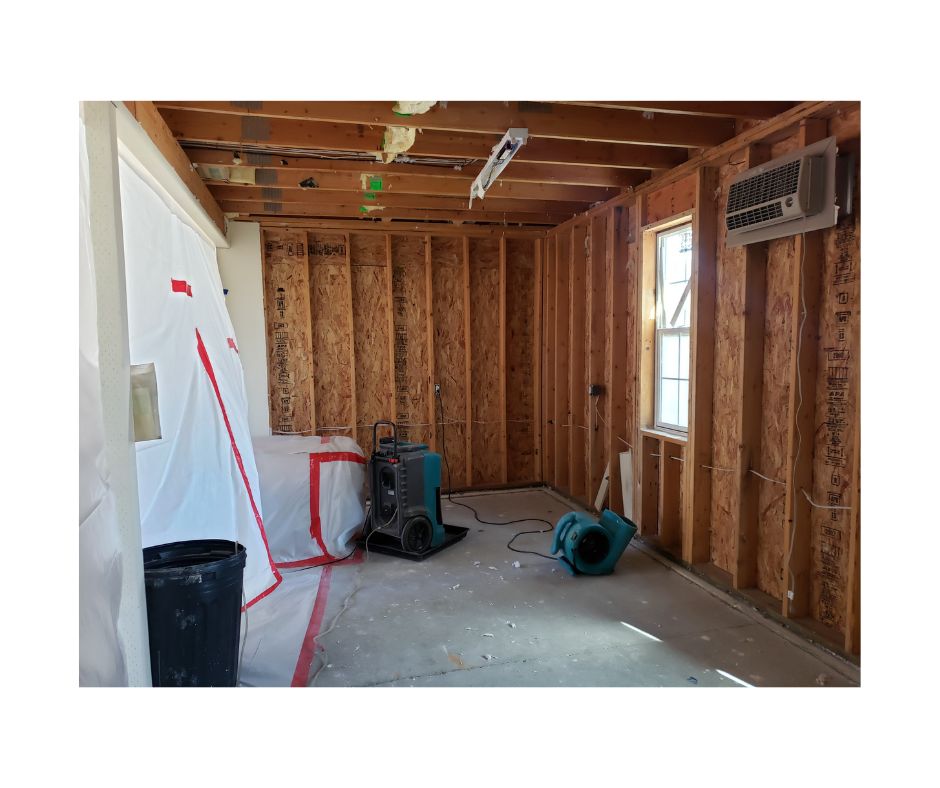
Small areas may be manageable, but extensive growth or mold inside walls calls for professional remediation.
Yes, if materials stay wet. Drywall, insulation, and flooring that were soaked can grow mold within days unless they are dried or removed.
Inspection includes moisture readings and, where needed, testing to locate growth behind walls and under floors.
It shouldn't if the moisture source is corrected. Remediation pairs removal with drying and moisture control.
Mold coverage varies by policy and cause, and documentation helps your carrier evaluate the claim.