Water spreads fast in Brentwood. Local crews extract, dry, and dehumidify around the clock before a leak becomes a total loss. Restoration referral service — calls connect you with a licensed, insured, IICRC-certified local crew.
From a burst pipe to a flooded basement, the IICRC-trained crews extract water fast and dry the structure thoroughly. Restoration referral service — calls connect you with a licensed, insured, IICRC-certified local crew.
Located in West Suffolk in the Town of Islip, Brentwood (11717) is a short drive from Central Islip, Wyandanch and Islip Terrace. The August 2014 storm dropped a state-record 13.26 inches of rain on Islip, and basements in the surrounding area flooded.
Tropical Storm Isaias in August 2020 left more than 420,000 PSEG Long Island customers without power, and outages like that leave sump pumps idle. Homes in Brentwood were built over several decades of suburban growth, and the pipes, water heaters, and appliances installed with them are aging out. Homes, storefronts, and light-commercial buildings are all part of the mix in Brentwood, and each dries differently.
Knowing these local patterns helps crews in Brentwood look in the right places first and avoid repeat problems.
The same crews cover nearby Central Islip, Wyandanch and Islip Terrace. Crews also handle fire and smoke damage in Brentwood and mold remediation in Brentwood.
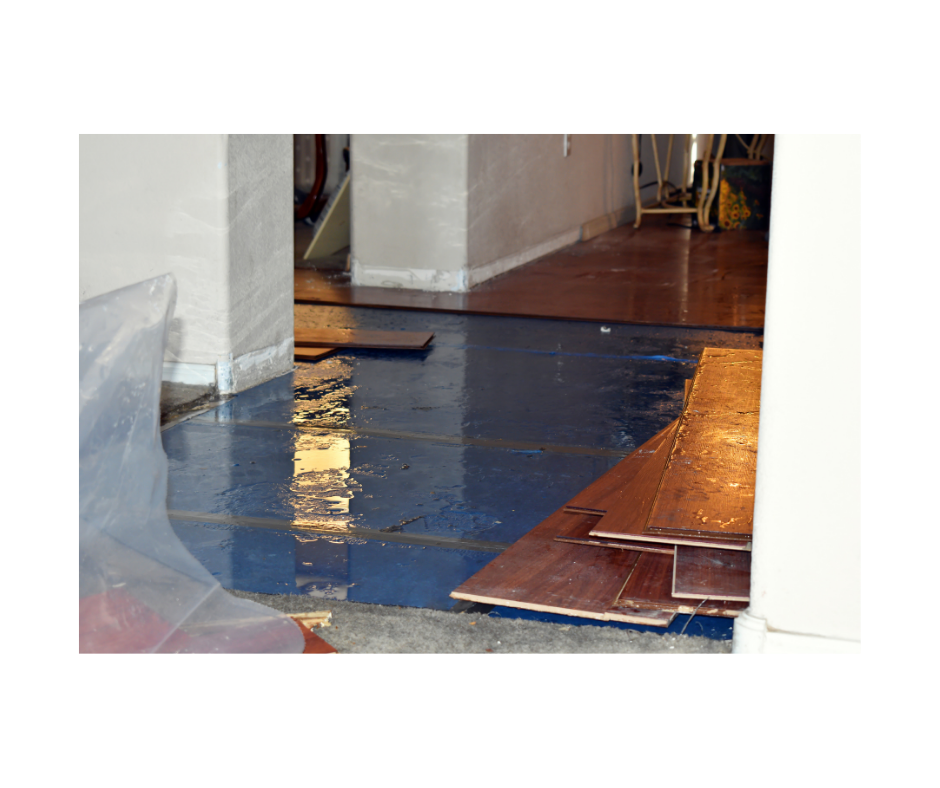
A backup is sewage, not clean water, so crews contain the area, remove affected materials, and sanitize. Coverage for sewer or septic backup varies by policy, so ask your carrier.
That depends on the water source and the damage. Contaminated water or electrical hazards can make a home unsafe, and crews can advise after a quick assessment.
Crews aim to respond quickly, day or night. Call and the current arrival estimate for Brentwood will be confirmed on the phone.
Cost depends on the extent of the damage, the materials affected, and how long water sat. Covered losses are often billed to the insurance carrier directly, and the on-site evaluation is free.
Often, yes, when drying starts quickly and uses proper equipment. Materials that stayed wet too long may need replacement.