Water spreads fast in Copiague. Local crews extract, dry, and dehumidify around the clock before a leak becomes a total loss. Restoration referral service — calls connect you with a licensed, insured, IICRC-certified local crew.
From a burst pipe to a flooded basement, the IICRC-trained crews extract water fast and dry the structure thoroughly. Restoration referral service — calls connect you with a licensed, insured, IICRC-certified local crew.
Copiague (11726), on Suffolk's South Shore, borders or sits near Lindenhurst, Amityville and Babylon. The National Weather Service recorded record flooding along the Great South Bay during Hurricane Sandy in 2012, with surge of roughly 6 to 7 feet on the southwest Suffolk shore.
Across Suffolk County, an estimated 380,000 homes and buildings rely on cesspools or septic systems, so sewage backups and failed systems are a distinct source of water damage here. Copiague sits close to the bays, where tidal flooding, high groundwater, and storm surge are part of life along the South Shore. Bay flooding is salt water carrying silt and debris, so cleanup goes well beyond the drying used for a clean-water pipe break.
In practice, crews in Copiague focus on stopping the source, removing standing water quickly, and drying structure and contents to acceptable moisture levels.
Crews also serve nearby Lindenhurst, Amityville and Babylon. Crews also handle fire and smoke damage in Copiague and mold remediation in Copiague.
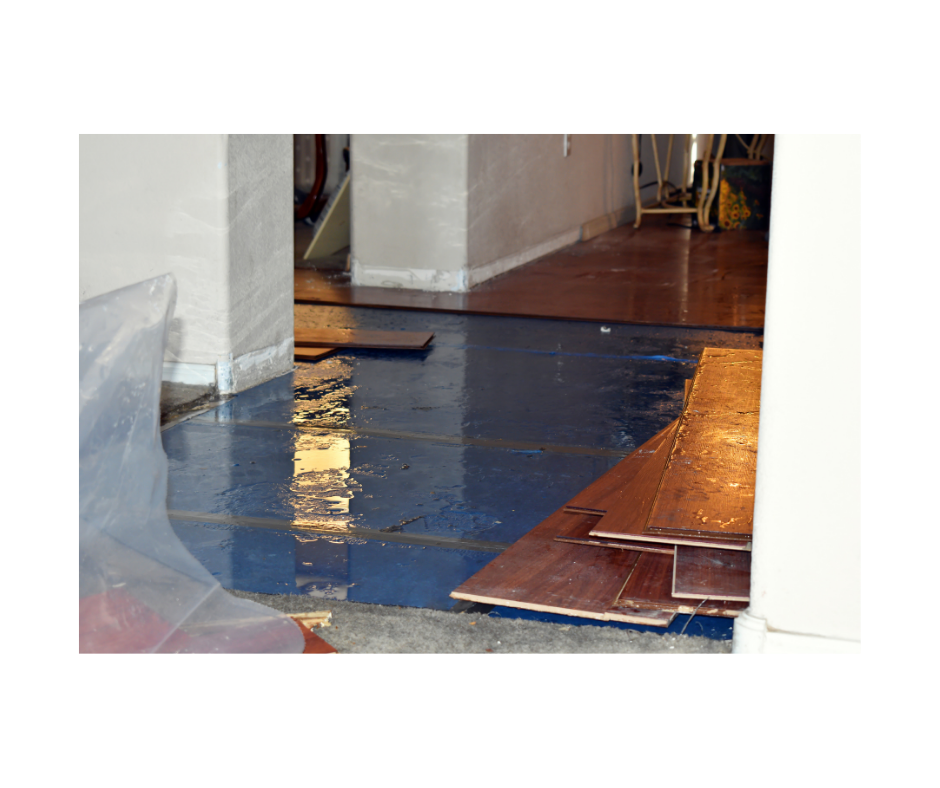
Yes. Salt-water flooding calls for extraction, removal of contaminated materials, sanitizing, and thorough drying, and documentation matters for flood-policy claims.
A backup is sewage, not clean water, so crews contain the area, remove affected materials, and sanitize. Coverage for sewer or septic backup varies by policy, so ask your carrier.
That depends on the water source and the damage. Contaminated water or electrical hazards can make a home unsafe, and crews can advise after a quick assessment.
Drying continues until moisture readings return to acceptable levels, which varies with each job.
The final cost depends on scope and materials. If the loss is covered, crews can bill the carrier directly.