Musty odors and visible growth in Massapequa are signs to act. Crews assess the extent, contain the area, and remove mold safely. Restoration referral service — calls connect you with a licensed, insured, IICRC-certified local crew.
Crews locate the moisture source, contain the area, and remove contamination using safe, EPA-approved treatments. Restoration referral service — calls connect you with a licensed, insured, IICRC-certified local crew.
Located on the South Shore, Massapequa (11758) is a short drive from Massapequa Park, Farmingdale and Wantagh. Massapequa is on the South Shore in a FEMA flood zone and was directly hit by Hurricane Sandy's surge in 2012.
Flood exposure combines with aging post-war plumbing in many Massapequa homes, which raises the stakes for any leak or flood. Fixing the source of moisture matters as much as removing the growth. Testing and moisture mapping help separate surface mold from growth inside walls, which shapes the remediation plan. Mold in flood-prone areas like Massapequa frequently starts in materials that were wet once and never fully dried.
That is why acting early matters in Massapequa: mold spreads wherever moisture stays.
The same crews cover nearby Massapequa Park, Farmingdale and Wantagh. Crews also handle water damage in Massapequa and fire and smoke damage in Massapequa.
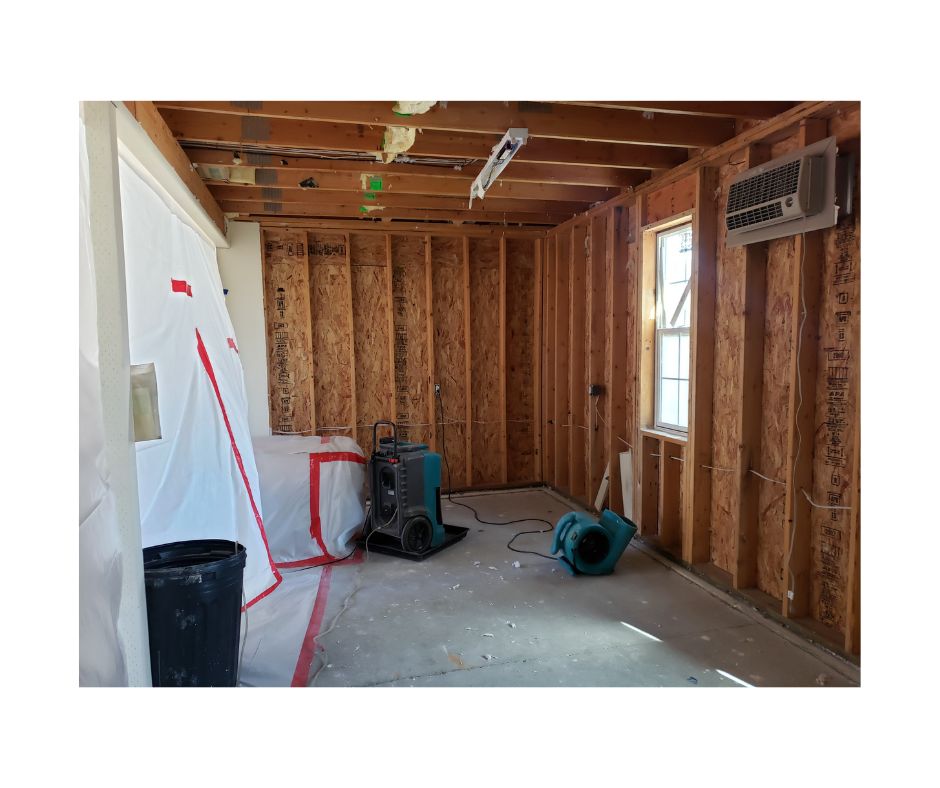
Recurrence is tied to moisture. When the source is fixed and humidity is controlled, mold is much less likely to return.
Moisture mapping and targeted testing help locate mold that isn't visible.
Mold coverage varies by policy and cause, and documentation helps your carrier evaluate the claim.
Typical steps are inspection, containment, air filtration, removal of affected materials, cleaning and treatment, and verification that the area is clear.
Often yes for contained jobs, but larger projects may call for staying elsewhere temporarily. Crews will say what makes sense once the scope is clear.