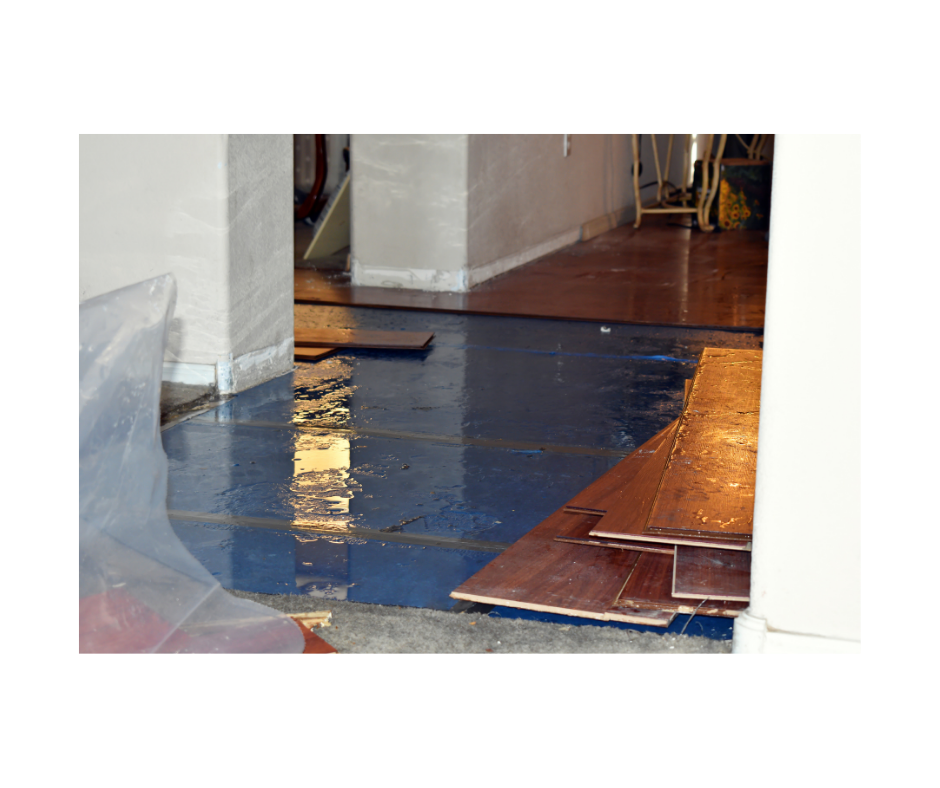
When water gets into a Patchogue home, the first hours matter most. Crews extract standing water and begin structural drying right away. Restoration referral service — calls connect you with a licensed, insured, IICRC-certified local crew.
From a burst pipe to a flooded basement, the IICRC-trained crews extract water fast and dry the structure thoroughly. Restoration referral service — calls connect you with a licensed, insured, IICRC-certified local crew.
Patchogue (11772) is in the Town of Brookhaven, on Suffolk's South Shore, close to Bellport, Blue Point and Brookhaven. Hurricane Sandy in October 2012 brought record coastal flooding to the Great South Bay, with a surge of roughly 6 to 7 feet along the southwest Suffolk shore, according to the National Weather Service.
Suffolk County has roughly 380,000 cesspools and septic systems, according to the county health department, which makes sewage backups a recurring cause of water damage. Many waterfront properties fall in mapped flood zones, so documentation for flood claims matters as much as the drying itself. Water from the bay is not clean water, and sanitizing and removing affected materials is a bigger part of the job.
Knowing these local patterns helps crews in Patchogue look in the right places first and avoid repeat problems.
The same crews cover nearby Bellport, Blue Point and Brookhaven. Crews also handle fire and smoke damage in Patchogue and mold remediation in Patchogue.
Yes. Salt-water flooding calls for extraction, removal of contaminated materials, sanitizing, and thorough drying, and documentation matters for flood-policy claims.
Most policies cover sudden, accidental water damage such as burst pipes or appliance failures, while gradual leaks and flood coverage depend on the policy. Crews document the loss and can work directly with your carrier.
Sewage from a failed cesspool or septic system needs containment and sanitizing, not just drying. Many policies treat backups separately, so check what yours covers.
Crews handle sewage backups with containment, removal, and sanitization of affected areas.
Shut off the water if possible, avoid electrical hazards, and photograph the damage before anything is moved.