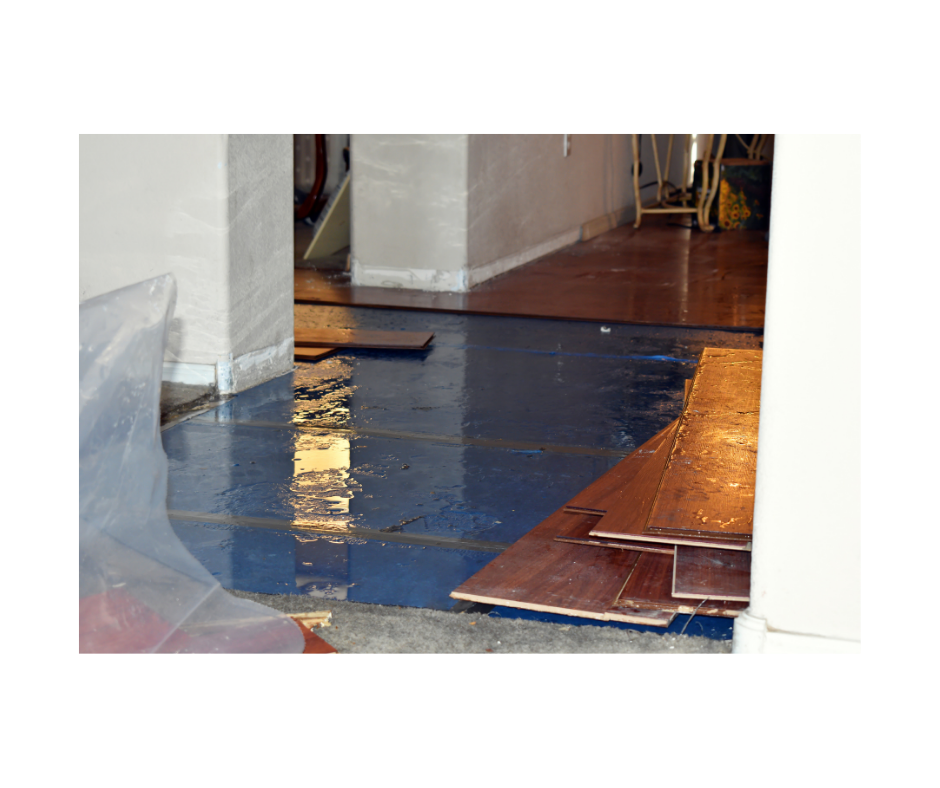
Standing water in Sayville keeps causing damage by the hour. Crews move quickly to remove it and dry the structure. Restoration referral service — calls connect you with a licensed, insured, IICRC-certified local crew.
From a burst pipe to a flooded basement, the IICRC-trained crews extract water fast and dry the structure thoroughly. Restoration referral service — calls connect you with a licensed, insured, IICRC-certified local crew.
Located on the south side of Suffolk County in the Town of Islip, Sayville (11782) is a short drive from Bayport, West Sayville and Blue Point. Sandy's surge in October 2012 set records on the Great South Bay, and bayfront communities like Sayville still plan around it.
The August 2014 storm dropped a state-record 13.26 inches of rain on Islip, and basements in the surrounding area flooded. Many waterfront properties fall in mapped flood zones, so documentation for flood claims matters as much as the drying itself. On canal and bayfront lots, lower levels and mechanical systems are the usual places water reaches first.
Knowing these local patterns helps crews in Sayville look in the right places first and avoid repeat problems.
Nearby areas served include Bayport, West Sayville and Blue Point. Crews also handle fire and smoke damage in Sayville and mold remediation in Sayville.
Cost depends on the extent of the damage, the materials affected, and how long water sat. Covered losses are often billed to the insurance carrier directly, and the on-site evaluation is free.
Yes. Salt-water flooding calls for extraction, removal of contaminated materials, sanitizing, and thorough drying, and documentation matters for flood-policy claims.
Burst or frozen supply lines, failed sump pumps, appliance and water heater leaks, roof leaks, and storm flooding are among the usual causes in Sayville.
A backup is sewage, not clean water, so crews contain the area, remove affected materials, and sanitize. Coverage for sewer or septic backup varies by policy, so ask your carrier.
Safety depends on contamination and electrical conditions. Crews assess the situation and advise on whether to stay.