Mold in Southampton homes usually points to a hidden moisture problem. Crews inspect, contain, remove, and help correct the source. Restoration referral service — calls connect you with a licensed, insured, IICRC-certified local crew.
Crews locate the moisture source, contain the area, and remove contamination using safe, EPA-approved treatments. Restoration referral service — calls connect you with a licensed, insured, IICRC-certified local crew.
Southampton (11968) sits in the East End's Hamptons area, with Water Mill, Hampton Bays and Bridgehampton nearby. Mold in unoccupied East End houses is often discovered only when owners return.
Coastal air slows drying, which gives mold more time to establish after water gets in. Mold in unoccupied homes often shows up only when the owners return and notice the smell. After a storm or flood, materials that stay wet behind walls and under floors are the usual starting point for mold.
Knowing these local patterns helps crews in Southampton check the likely hiding spots, not just the visible staining.
Nearby areas served include Water Mill, Hampton Bays and Bridgehampton. Crews also handle water damage in Southampton and fire and smoke damage in Southampton.
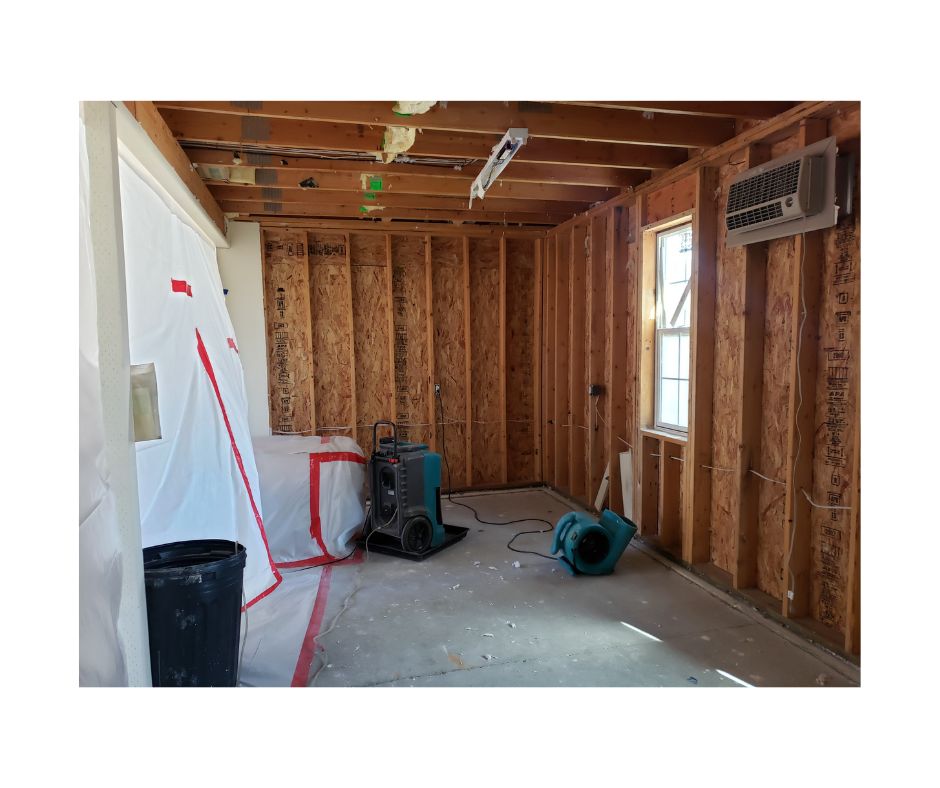
Crews schedule mold assessments quickly, prioritizing cases tied to active leaks or flooding.
A house that sits shut for months is a common place for mold, because nobody is there to notice moisture or odor.
It shouldn't if the moisture source is corrected. Remediation pairs removal with drying and moisture control.
Typical steps are inspection, containment, air filtration, removal of affected materials, cleaning and treatment, and verification that the area is clear.
Inspection includes moisture readings and, where needed, testing to locate growth behind walls and under floors.