From burst supply lines to storm flooding, water damage in Stony Brook calls for fast extraction and thorough drying. Restoration referral service — calls connect you with a licensed, insured, IICRC-certified local crew.
From a burst pipe to a flooded basement, the IICRC-trained crews extract water fast and dry the structure thoroughly. Restoration referral service — calls connect you with a licensed, insured, IICRC-certified local crew.
Stony Brook (11790) sits along the Long Island Sound shore, with East Setauket, Saint James and Port Jefferson nearby. During Sandy, Shore Road in Stony Brook village saw 1 to 3 feet of water, according to the National Weather Service.
Many Suffolk properties use cesspools or septic systems instead of sewers, so a backup can bring sewage, not just water, into a home. Older masonry foundations in the area let water through mortar joints and cracks during wet periods. Low-lying areas near the harbors and the Sound take on water when surge and high tide line up.
Knowing these local patterns helps crews in Stony Brook look in the right places first and avoid repeat problems.
Nearby areas served include East Setauket, Saint James and Port Jefferson. Crews also handle fire and smoke damage in Stony Brook and mold remediation in Stony Brook.
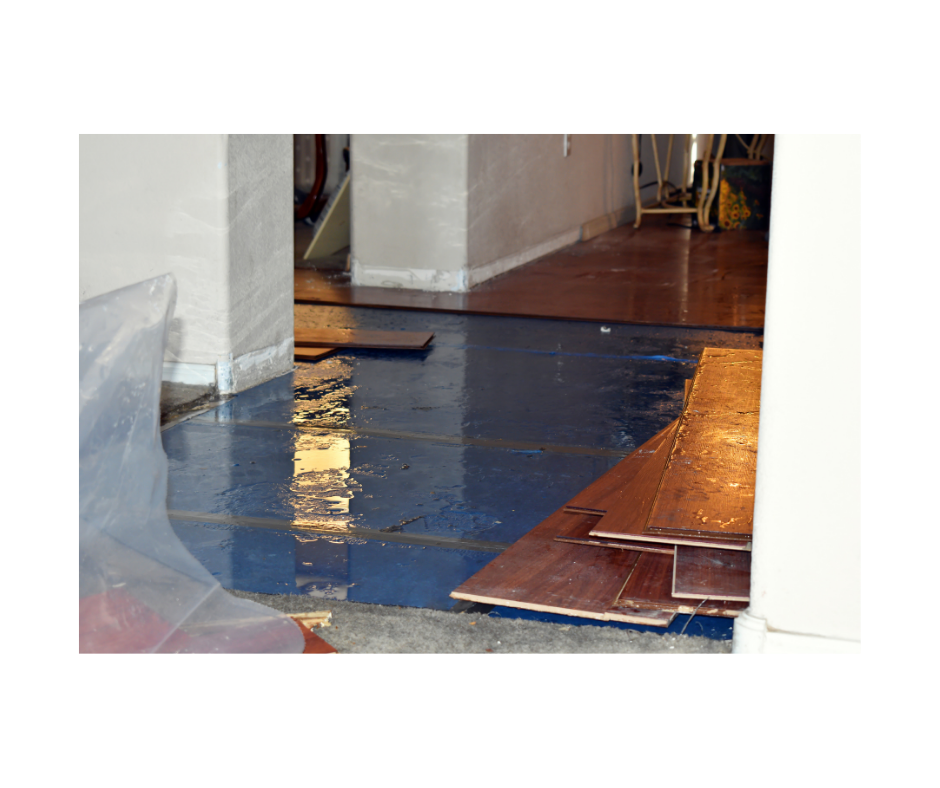
Burst or frozen supply lines, failed sump pumps, appliance and water heater leaks, roof leaks, and storm flooding are among the usual causes in Stony Brook.
Crews aim to respond quickly, day or night. Call and the current arrival estimate for Stony Brook will be confirmed on the phone.
Yes. Salt-water flooding calls for extraction, removal of contaminated materials, sanitizing, and thorough drying, and documentation matters for flood-policy claims.
Sewage from a failed cesspool or septic system needs containment and sanitizing, not just drying. Many policies treat backups separately, so check what yours covers.
Yes, sewage cleanup is included, with sanitizing and proper disposal of contaminated materials.