Standing water in Cutchogue keeps causing damage by the hour. Crews move quickly to remove it and dry the structure. Restoration referral service — calls connect you with a licensed, insured, IICRC-certified local crew.
From a burst pipe to a flooded basement, the IICRC-trained crews extract water fast and dry the structure thoroughly. Restoration referral service — calls connect you with a licensed, insured, IICRC-certified local crew.
Cutchogue (11935), on the North Fork of Long Island, borders or sits near New Suffolk, Peconic and Southold. Sandy flooded low-lying bayfront areas along the Peconic side of the North Fork.
Second homes are a defining feature of the East End, and leaks in closed-up houses often run unnoticed. Cutchogue is on the North Fork, where farmhouses, bayfront cottages, and second homes sit between Long Island Sound and Peconic Bay. Many houses sit empty through winter, so a leak or frozen pipe can run for weeks before it is found.
That is why a quick call matters in Cutchogue: the sooner drying starts, the more flooring, drywall, and belongings can be saved.
Nearby areas served include New Suffolk, Peconic and Southold. Crews also handle fire and smoke damage in Cutchogue and mold remediation in Cutchogue.
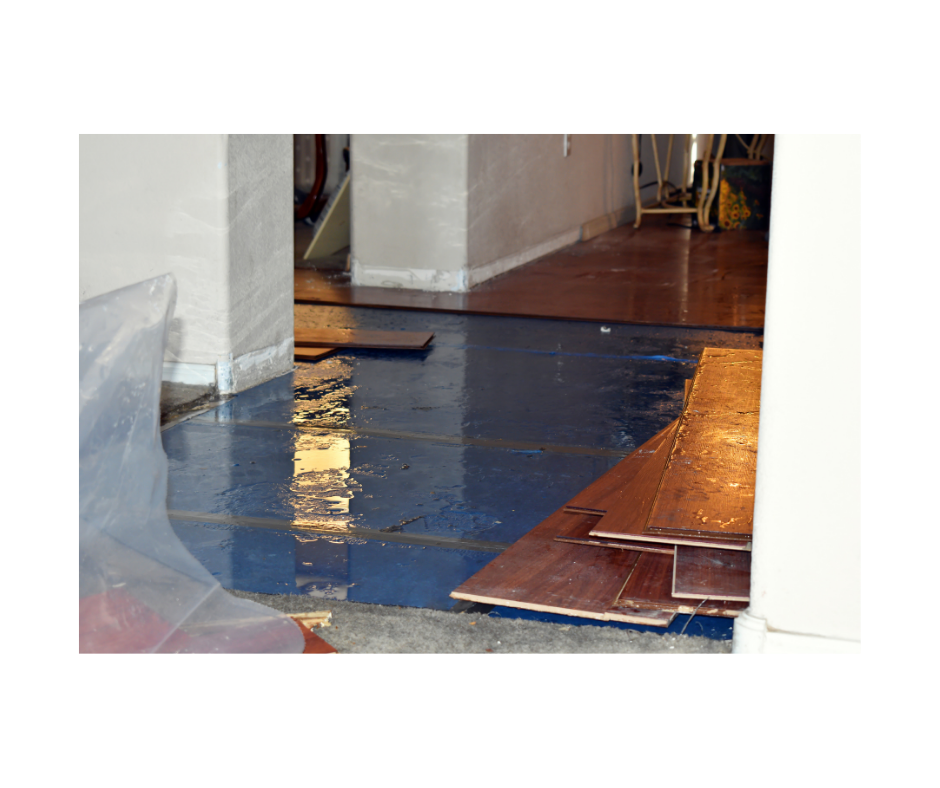
Call as soon as it is found, shut off the water if you can do so safely, and photograph everything. Damage in an empty house has often been spreading for a while.
Yes. Salt-water flooding calls for extraction, removal of contaminated materials, sanitizing, and thorough drying, and documentation matters for flood-policy claims.
Often, yes, when drying starts quickly and uses proper equipment. Materials that stayed wet too long may need replacement.
That depends on the water source and the damage. Contaminated water or electrical hazards can make a home unsafe, and crews can advise after a quick assessment.
The final cost depends on scope and materials. If the loss is covered, crews can bill the carrier directly.