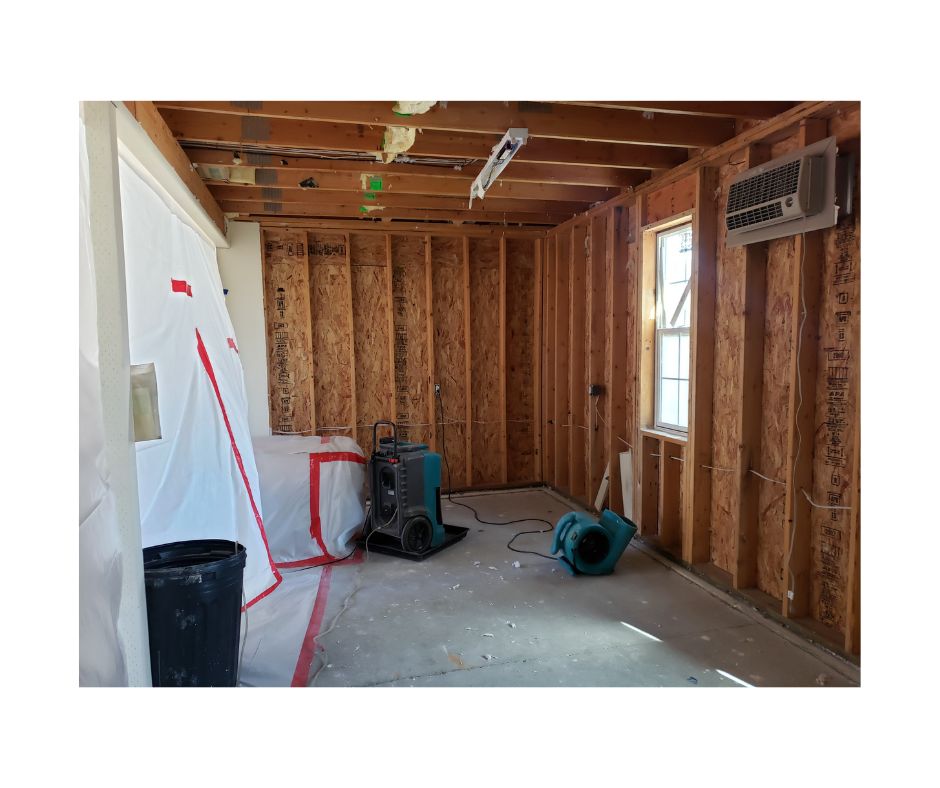
Mold spreads where moisture lingers. Crews in Cutchogue test, contain, remove, and dry the affected area. Restoration referral service — calls connect you with a licensed, insured, IICRC-certified local crew.
Crews locate the moisture source, contain the area, and remove contamination using safe, EPA-approved treatments. Restoration referral service — calls connect you with a licensed, insured, IICRC-certified local crew.
Cutchogue (11935) sits on Suffolk's North Fork, with New Suffolk, Peconic and Southold nearby. Wet materials left behind after bay flooding are a common source of mold on the North Fork.
Many East End houses are empty for months, which gives mold time to grow unnoticed. Older cellars hold dampness that supports growth on stored items and framing. A seasonal house without dehumidification is a place where mold can establish unseen.
Knowing these local patterns helps crews in Cutchogue check the likely hiding spots, not just the visible staining.
The same crews cover nearby New Suffolk, Peconic and Southold. Crews also handle water damage in Cutchogue and fire and smoke damage in Cutchogue.
Yes, if materials stay wet. Drywall, insulation, and flooring that were soaked can grow mold within days unless they are dried or removed.
The process includes containing the area, removing contaminated materials, HEPA cleaning, and confirming the result.
Yes. Closed houses with no airflow or dehumidification can grow mold quickly, especially in humid weather.
Assessment is typically scheduled promptly, and faster when mold is tied to an active water problem. Call for the current estimate for Cutchogue.
Moisture mapping and targeted testing help locate mold that isn't visible.