Musty odors and visible growth in Glen Head are signs to act. Crews assess the extent, contain the area, and remove mold safely. Restoration referral service — calls connect you with a licensed, insured, IICRC-certified local crew.
Crews locate the moisture source, contain the area, and remove contamination using safe, EPA-approved treatments. Restoration referral service — calls connect you with a licensed, insured, IICRC-certified local crew.
Glen Head (11545) is one of the communities on the North Shore; neighboring areas include Glenwood Landing, Sea Cliff and Glen Cove. Humidity off Long Island Sound and shaded, tree-covered lots keep homes here damp, which is favorable for mold growth.
Older stone and masonry foundations can wick moisture, so basement walls may stay damp even without an obvious leak. Moisture trapped in insulation and framing often keeps feeding mold after a leak appears to be fixed. Mold in attics and crawlspaces usually points to ventilation and condensation problems.
For Glen Head property owners, that means finding the moisture behind the mold first, then containing and removing the growth safely.
Nearby areas served include Glenwood Landing, Sea Cliff and Glen Cove. Crews also handle water damage in Glen Head and fire and smoke damage in Glen Head.
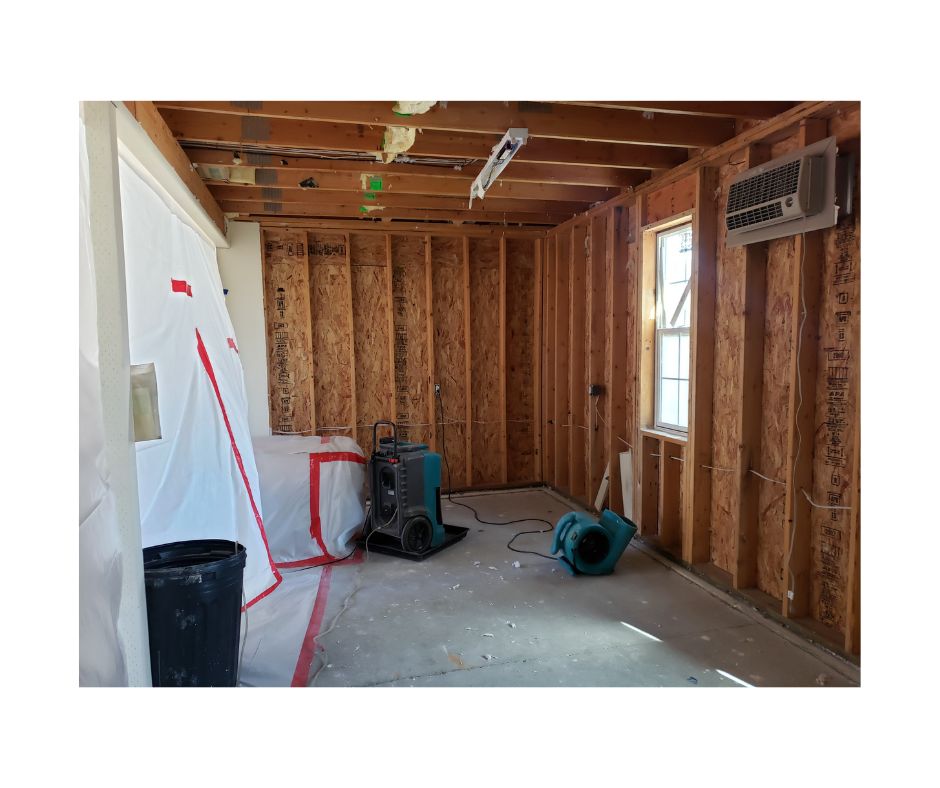
Small areas may be manageable, but extensive growth or mold inside walls calls for professional remediation.
Typical steps are inspection, containment, air filtration, removal of affected materials, cleaning and treatment, and verification that the area is clear.
It shouldn't if the moisture source is corrected. Remediation pairs removal with drying and moisture control.
Moisture mapping and targeted testing help locate mold that isn't visible.
Mold can aggravate allergies and respiratory conditions, so prompt, contained removal is recommended.