Mold remediation in Sea Cliff starts with finding the moisture behind the growth, then containing and removing it. Restoration referral service — calls connect you with a licensed, insured, IICRC-certified local crew.
Crews locate the moisture source, contain the area, and remove contamination using safe, EPA-approved treatments. Restoration referral service — calls connect you with a licensed, insured, IICRC-certified local crew.
Sea Cliff (11579) sits along Nassau's North Shore, with Glen Head, Glenwood Landing and Glen Cove nearby. Humidity off Long Island Sound and shaded, tree-covered lots keep homes here damp, which is favorable for mold growth.
Masonry foundations in older Sea Cliff homes can draw in ground moisture and support mold on basement walls. Remediation here typically pairs removal with moisture control, such as drainage fixes or dehumidification, to reduce the chance of repeat growth. Mold in attics and crawlspaces usually points to ventilation and condensation problems.
Knowing these local patterns helps crews in Sea Cliff check the likely hiding spots, not just the visible staining.
Crews also serve nearby Glen Head, Glenwood Landing and Glen Cove. Crews also handle water damage in Sea Cliff and fire and smoke damage in Sea Cliff.
Recurrence is tied to moisture. When the source is fixed and humidity is controlled, mold is much less likely to return.
Mold can aggravate allergies and respiratory conditions, so prompt, contained removal is recommended.
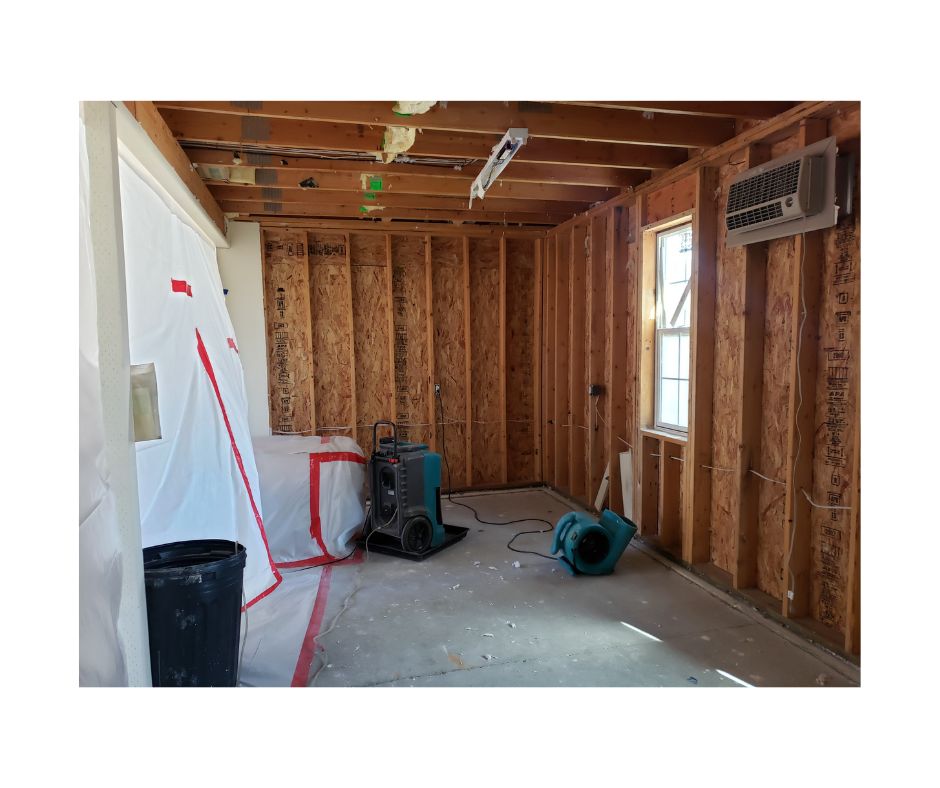
The process includes containing the area, removing contaminated materials, HEPA cleaning, and confirming the result.
Persistent dampness is the root cause, often from leaks, humidity, or incomplete drying after a water event.
Very small surface spots can sometimes be handled at home, but larger or hidden growth needs containment and proper removal so spores do not spread.