When water gets into a Great River home, the first hours matter most. Crews extract standing water and begin structural drying right away. Restoration referral service — calls connect you with a licensed, insured, IICRC-certified local crew.
From a burst pipe to a flooded basement, the IICRC-trained crews extract water fast and dry the structure thoroughly. Restoration referral service — calls connect you with a licensed, insured, IICRC-certified local crew.
Great River is in the Town of Islip, on the south side of Suffolk County, close to Oakdale, East Islip and West Sayville. Hurricane Sandy in October 2012 brought record coastal flooding to the Great South Bay, with a surge of roughly 6 to 7 feet along the southwest Suffolk shore, according to the National Weather Service.
On August 13, 2014, 13.26 inches of rain fell at MacArthur Airport in Islip, a New York State 24-hour record that flooded parts of southwest Suffolk. Water from the bay is not clean water, and sanitizing and removing affected materials is a bigger part of the job. When heavy rain arrives at high tide, water has nowhere to go, and basements and first floors take it on.
That is why a quick call matters in Great River: the sooner drying starts, the more flooring, drywall, and belongings can be saved.
The same crews cover nearby Oakdale, East Islip and West Sayville. Crews also handle fire and smoke damage in Great River and mold remediation in Great River.
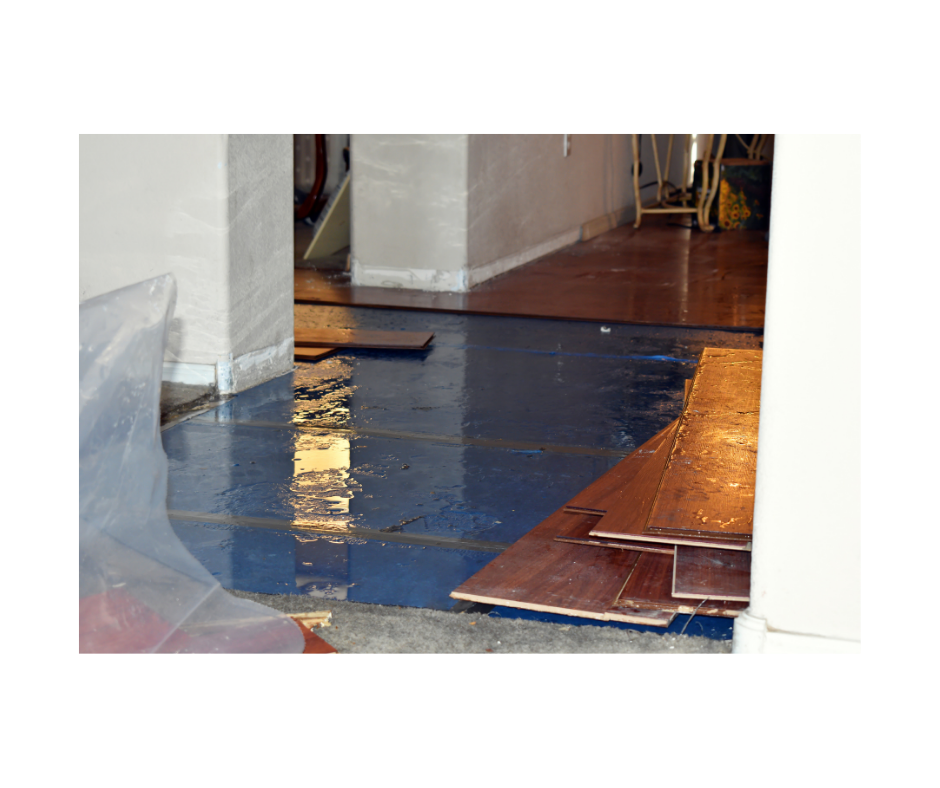
Crews aim to respond quickly, day or night. Call and the current arrival estimate for Great River will be confirmed on the phone.
A backup is sewage, not clean water, so crews contain the area, remove affected materials, and sanitize. Coverage for sewer or septic backup varies by policy, so ask your carrier.
Drying time varies with the extent of water, the materials, and conditions, and it is monitored until moisture readings reach normal levels.
Burst or frozen supply lines, failed sump pumps, appliance and water heater leaks, roof leaks, and storm flooding are among the usual causes in Great River.
Yes. Salt-water flooding calls for extraction, removal of contaminated materials, sanitizing, and thorough drying, and documentation matters for flood-policy claims.