A burst pipe or flooded basement in East Islip can't wait. Crews get extraction and drying started quickly to limit the damage. Restoration referral service — calls connect you with a licensed, insured, IICRC-certified local crew.
From a burst pipe to a flooded basement, the IICRC-trained crews extract water fast and dry the structure thoroughly. Restoration referral service — calls connect you with a licensed, insured, IICRC-certified local crew.
East Islip (11730) sits along Suffolk's South Shore, with Great River, Islip and Oakdale nearby. The National Weather Service recorded record flooding along the Great South Bay during Hurricane Sandy in 2012, with surge of roughly 6 to 7 feet on the southwest Suffolk shore.
The August 2014 storm dropped a state-record 13.26 inches of rain on Islip, and basements in the surrounding area flooded. With flood-zone properties common here, crews put real effort into clear records of the loss for carriers and flood policies. Being near the bays means East Islip deals with tidal and storm-driven water that communities farther inland rarely see.
That is why a quick call matters in East Islip: the sooner drying starts, the more flooring, drywall, and belongings can be saved.
The same crews cover nearby Great River, Islip and Oakdale. Crews also handle fire and smoke damage in East Islip and mold remediation in East Islip.
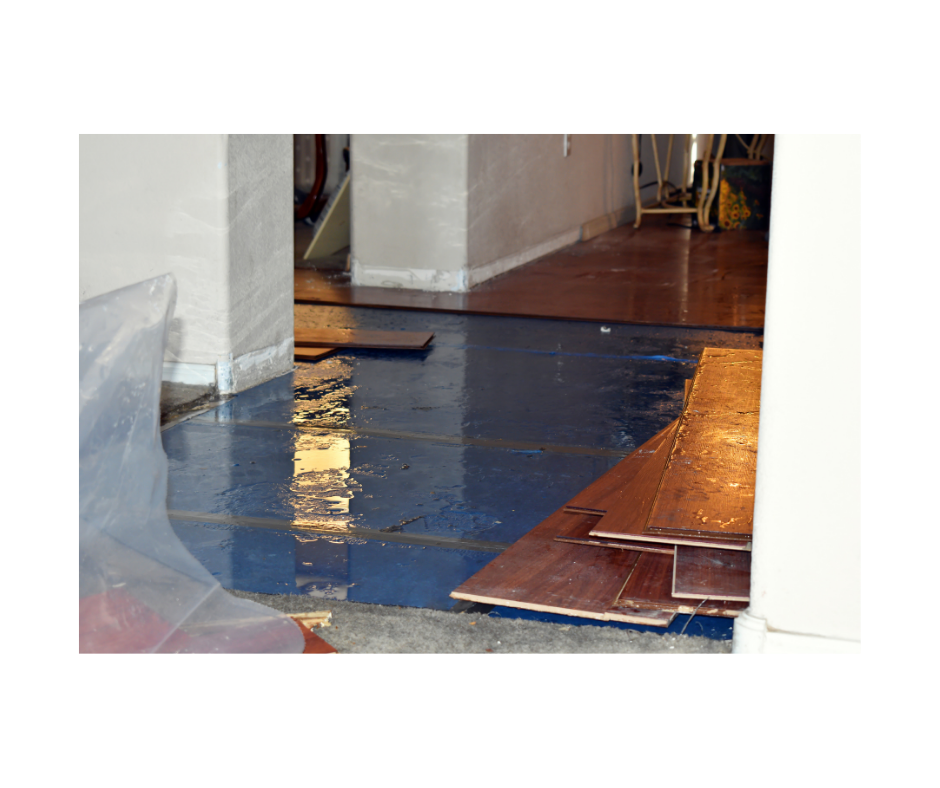
In East Islip, crews commonly see supply line failures, appliance leaks, sump pump problems, and storm-driven water.
A backup is sewage, not clean water, so crews contain the area, remove affected materials, and sanitize. Coverage for sewer or septic backup varies by policy, so ask your carrier.
The final cost depends on scope and materials. If the loss is covered, crews can bill the carrier directly.
Crews handle sewage backups with containment, removal, and sanitization of affected areas.
Yes. Salt-water flooding calls for extraction, removal of contaminated materials, sanitizing, and thorough drying, and documentation matters for flood-policy claims.