If mold has shown up in a Islip property, crews assess the source, contain the area, and remediate thoroughly. Restoration referral service — calls connect you with a licensed, insured, IICRC-certified local crew.
Crews locate the moisture source, contain the area, and remove contamination using safe, EPA-approved treatments. Restoration referral service — calls connect you with a licensed, insured, IICRC-certified local crew.
Islip (11751) sits along Suffolk's South Shore, with East Islip, West Islip and Great River nearby. After the record Great South Bay flooding during Hurricane Sandy in 2012, mold from materials that stayed wet became a lasting problem for bayfront homes.
Flooded basements from the record August 2014 storm are a reminder of how quickly mold follows an incompletely dried loss. Dehumidification and source correction matter especially close to the water. After flooding, materials that stay wet behind walls and under floors are the usual starting point for mold.
For Islip property owners, that means finding the moisture behind the mold first, then containing and removing the growth safely.
Nearby areas served include East Islip, West Islip and Great River. Crews also handle water damage in Islip and fire and smoke damage in Islip.
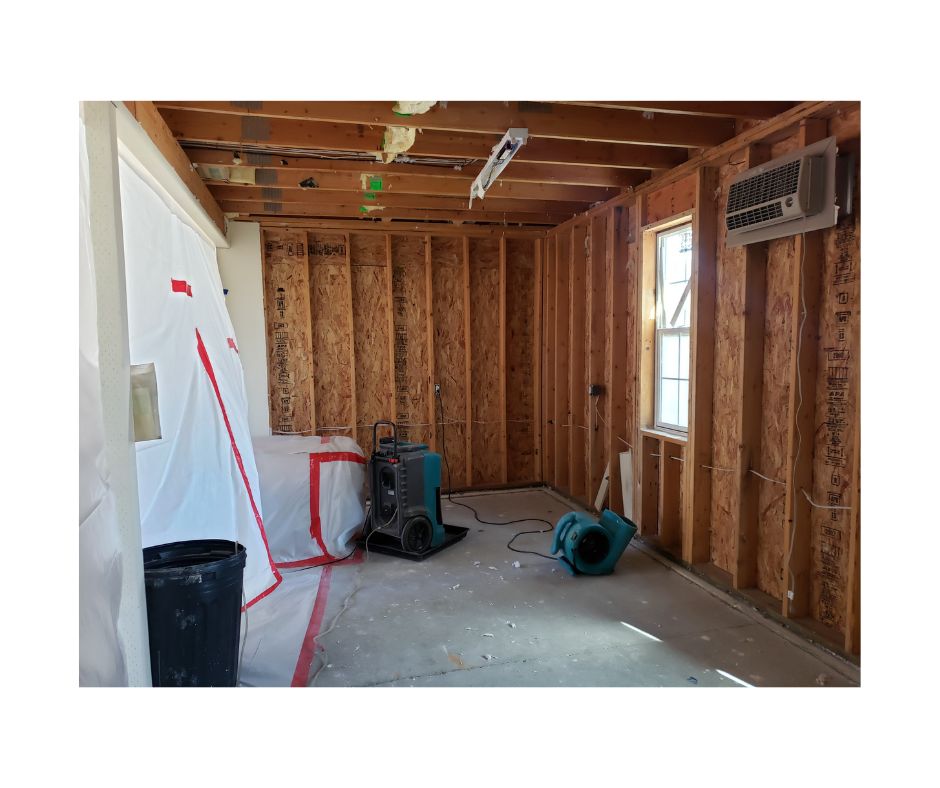
Timelines depend on the size and location of the growth. A specific estimate follows the assessment.
Mold needs moisture, so leaks, flooding, condensation, and poor ventilation are the usual causes. Basements, attics, and bathrooms are common spots.
Coverage depends on the cause. Mold resulting from a covered sudden water loss is more likely to be covered, while long-term neglect usually is not. Crews provide documentation for the claim.
Flood-soaked materials are a leading cause of mold, which is why quick extraction and drying matter after any bay or harbor flooding.
The process includes containing the area, removing contaminated materials, HEPA cleaning, and confirming the result.