Mold in East Islip homes usually points to a hidden moisture problem. Crews inspect, contain, remove, and help correct the source. Restoration referral service — calls connect you with a licensed, insured, IICRC-certified local crew.
Crews locate the moisture source, contain the area, and remove contamination using safe, EPA-approved treatments. Restoration referral service — calls connect you with a licensed, insured, IICRC-certified local crew.
Located on the south side of Suffolk County in the Town of Islip, East Islip (11730) is a short drive from Great River, Islip and Oakdale. Flooding from Hurricane Sandy in 2012 soaked bayfront homes along the Great South Bay, and wet materials left behind are a classic source of mold.
Flooded basements from the record August 2014 storm are a reminder of how quickly mold follows an incompletely dried loss. Damp bay air slows natural drying, which gives mold more time to establish after water gets in. Lasting results depend on drying and correcting the source, since bay humidity can bring moisture back quickly.
For East Islip property owners, that means finding the moisture behind the mold first, then containing and removing the growth safely.
The same crews cover nearby Great River, Islip and Oakdale. Crews also handle water damage in East Islip and fire and smoke damage in East Islip.
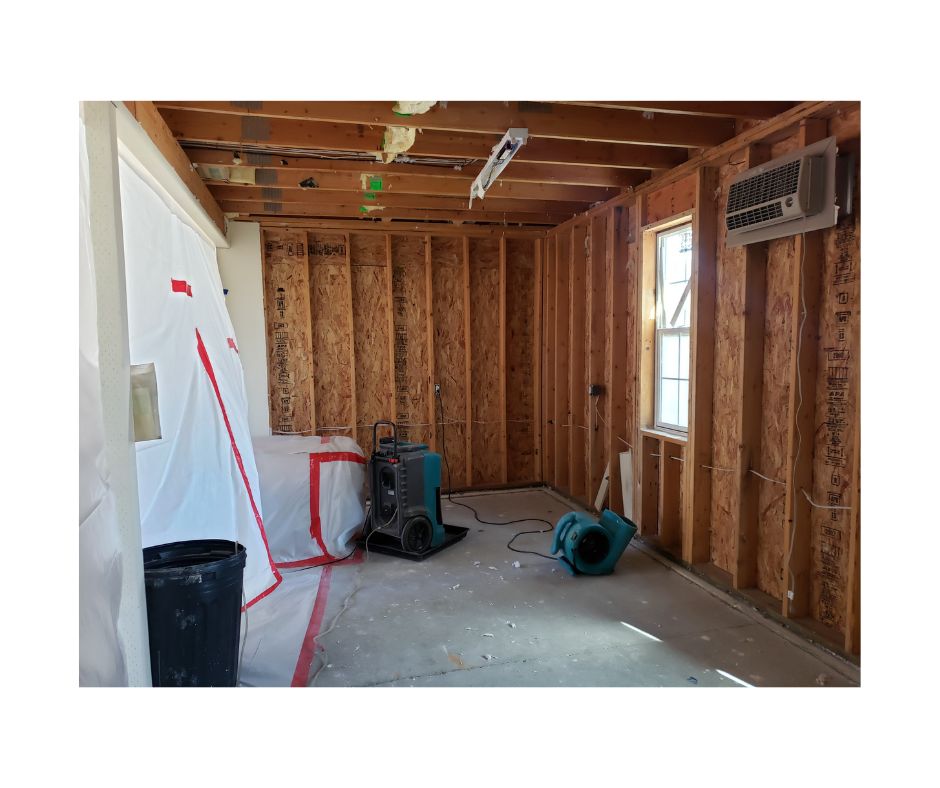
Recurrence is tied to moisture. When the source is fixed and humidity is controlled, mold is much less likely to return.
Moisture mapping and targeted testing help locate mold that isn't visible.
Very small surface spots can sometimes be handled at home, but larger or hidden growth needs containment and proper removal so spores do not spread.
Mold needs moisture, so leaks, flooding, condensation, and poor ventilation are the usual causes. Basements, attics, and bathrooms are common spots.
Yes, if materials stay wet. Drywall, insulation, and flooring that were soaked can grow mold within days unless they are dried or removed.