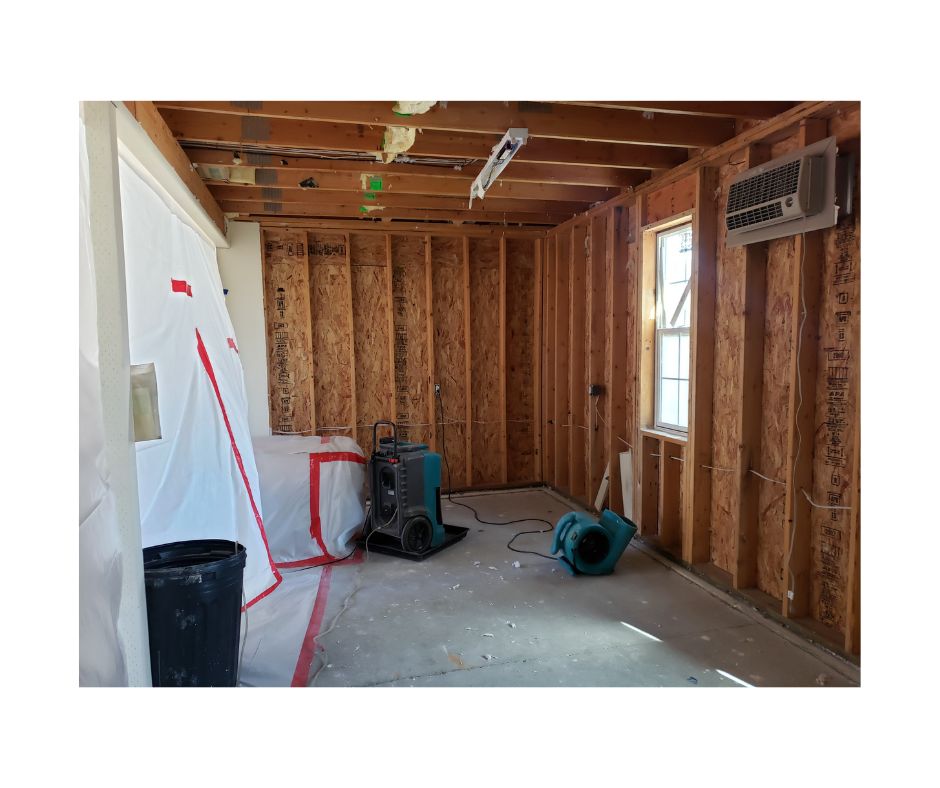
Musty odors and visible growth in New Suffolk are signs to act. Crews assess the extent, contain the area, and remove mold safely. Restoration referral service — calls connect you with a licensed, insured, IICRC-certified local crew.
Crews locate the moisture source, contain the area, and remove contamination using safe, EPA-approved treatments. Restoration referral service — calls connect you with a licensed, insured, IICRC-certified local crew.
New Suffolk, on Suffolk's North Fork, borders or sits near Southold, Cutchogue and Greenport. Bayfront flooding on the North Fork leaves wet drywall and insulation that can grow mold if not dried quickly.
Seasonal homes that sit closed up are a common setting for hidden mold on the East End. Remediation typically pairs removal with moisture control, such as drainage fixes or dehumidification, to reduce repeat growth. Coastal humidity on both shores slows drying after any leak.
That is why acting early matters in New Suffolk: mold spreads wherever moisture stays.
The same crews cover nearby Southold, Cutchogue and Greenport. Crews also handle water damage in New Suffolk and fire and smoke damage in New Suffolk.
Yes. Closed houses with no airflow or dehumidification can grow mold quickly, especially in humid weather.
Yes, if materials stay wet. Drywall, insulation, and flooring that were soaked can grow mold within days unless they are dried or removed.
Inspection includes moisture readings and, where needed, testing to locate growth behind walls and under floors.
Timelines depend on the size and location of the growth. A specific estimate follows the assessment.
Crews schedule mold assessments quickly, prioritizing cases tied to active leaks or flooding.