Musty odors and visible growth in Peconic are signs to act. Crews assess the extent, contain the area, and remove mold safely. Restoration referral service — calls connect you with a licensed, insured, IICRC-certified local crew.
Crews locate the moisture source, contain the area, and remove contamination using safe, EPA-approved treatments. Restoration referral service — calls connect you with a licensed, insured, IICRC-certified local crew.
Located on the North Fork of Long Island in the Town of Southold, Peconic (11958) is a short drive from Cutchogue, Mattituck and New Suffolk. Bayfront flooding on the North Fork leaves wet drywall and insulation that can grow mold if not dried quickly.
Seasonal homes that sit closed up are a common setting for hidden mold on the East End. Between the Sound and Peconic Bay, humid air keeps materials damp longer. Older cellars hold dampness that supports growth on stored items and framing.
In practice, crews in Peconic combine inspection, containment, and removal with drying and moisture control to reduce repeat growth.
Nearby areas served include Cutchogue, Mattituck and New Suffolk. Crews also handle water damage in Peconic and fire and smoke damage in Peconic.
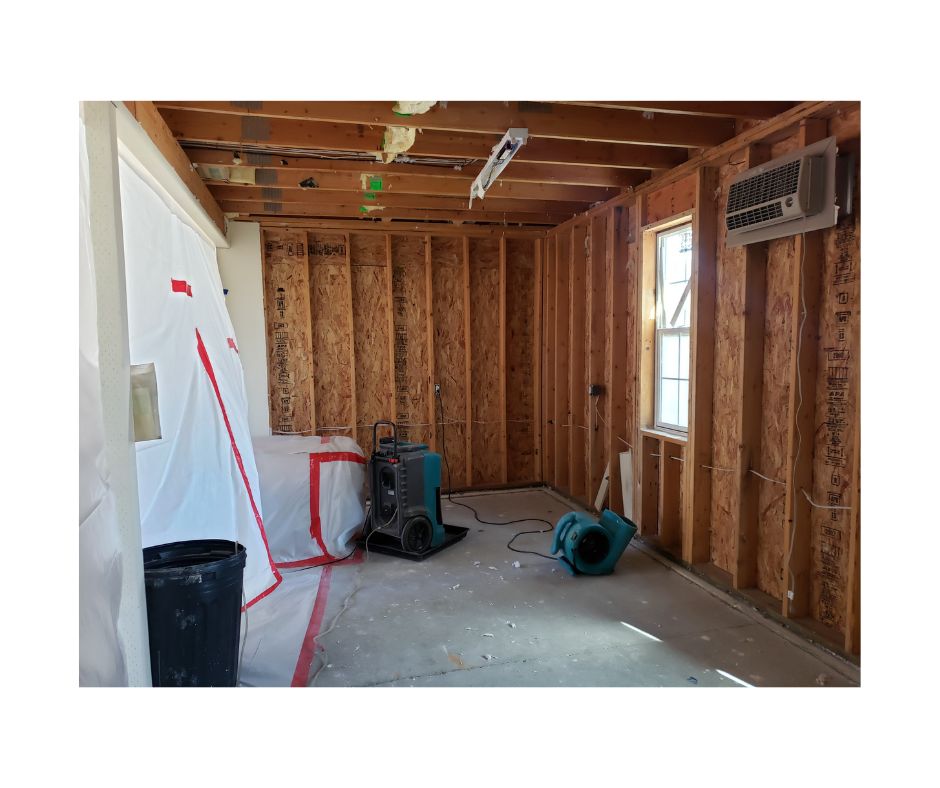
Timelines depend on the size and location of the growth. A specific estimate follows the assessment.
Persistent dampness is the root cause, often from leaks, humidity, or incomplete drying after a water event.
A house that sits shut for months is a common place for mold, because nobody is there to notice moisture or odor.
Flood-soaked materials are a leading cause of mold, which is why quick extraction and drying matter after any bay or harbor flooding.
Small areas may be manageable, but extensive growth or mold inside walls calls for professional remediation.